Non-Profit
The Pew Center for Arts & Heritage
Designing a role-based grantmaking platform for a complex application and review process
Non-Profit
The Pew Center for Arts & Heritage
Designing a role-based grantmaking platform for a complex application and review process
The Client
The Pew Center for Arts & Heritage envisions Greater Philadelphia as a widely recognized destination for dynamic and distinctive cultural experiences.
As both a grantmaker and hub for knowledge-sharing, the Center is dedicated to fostering a vibrant and diverse cultural ecology.
Outcome
Custom web-based grantmaking application and judging system
Approach
UX strategy, user research, information architecture, wireframing, prototyping, visual design, development support
Focus
Clarity and usability across multiple roles, workflows, and evaluation scenarios within a single system


The Project
A redesign built around real-world complexity
We were brought in by our partners at Fostermade to redesign the The Pew Center's existing grantmaking platform from the ground up. The system supports applicants, panelists, evaluators, administrators, and staff, each with distinct goals, permissions, and workflows. Our role was to create a unified experience that could handle this complexity without feeling overwhelming, while aligning visually with the organization’s established brand. We partnered closely with development, working as an extension of their team to help define, design, and validate the product before and during implementation.
UX Process
Mapping roles, rules, and realities
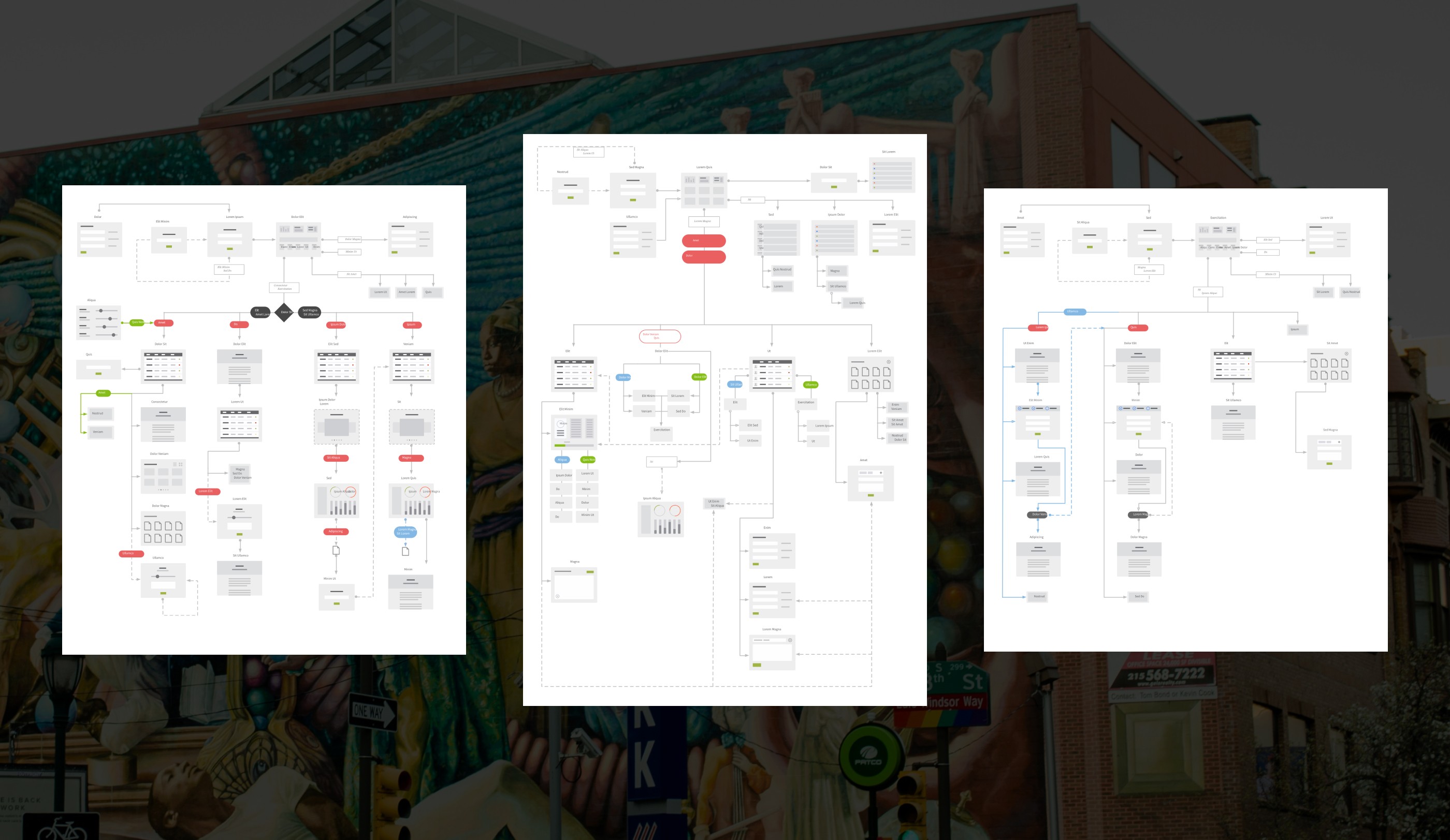
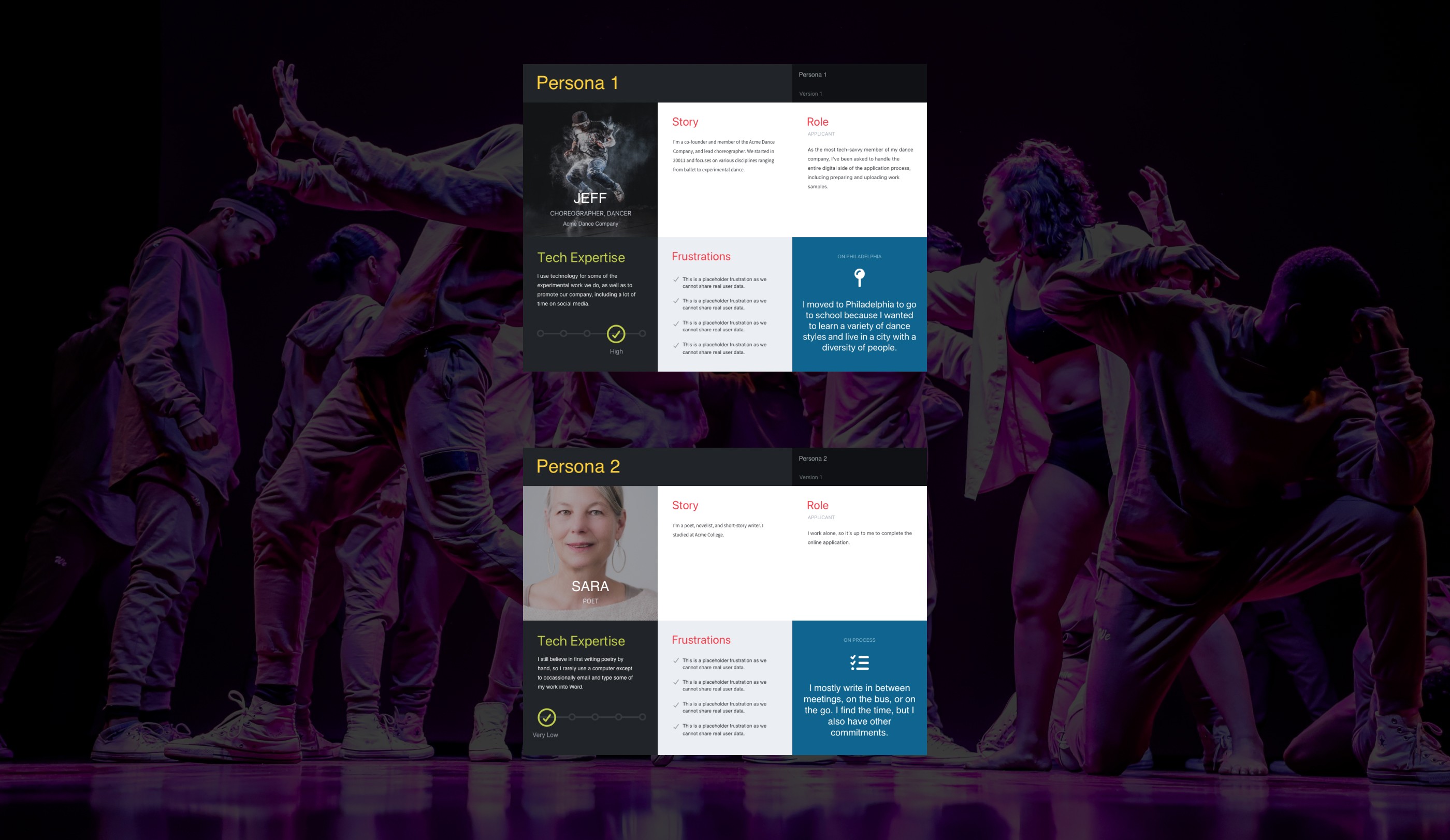
We began with in-depth discovery, reviewing scoring criteria, grant guidelines, application requirements, internal workflows, and brand documentation. From there, we mapped multiple end-to-end user flows covering applicants, reviewers, panelists, and administrators to understand where complexity was essential and where clarity could be improved. We then developed personas across user types to ground decisions in real behaviors and constraints. These insights informed a robust information architecture designed to support varied application types, evaluation models, and permission levels, all within a single coherent system.
Design & Prototyping
Designing at scale, without losing usability
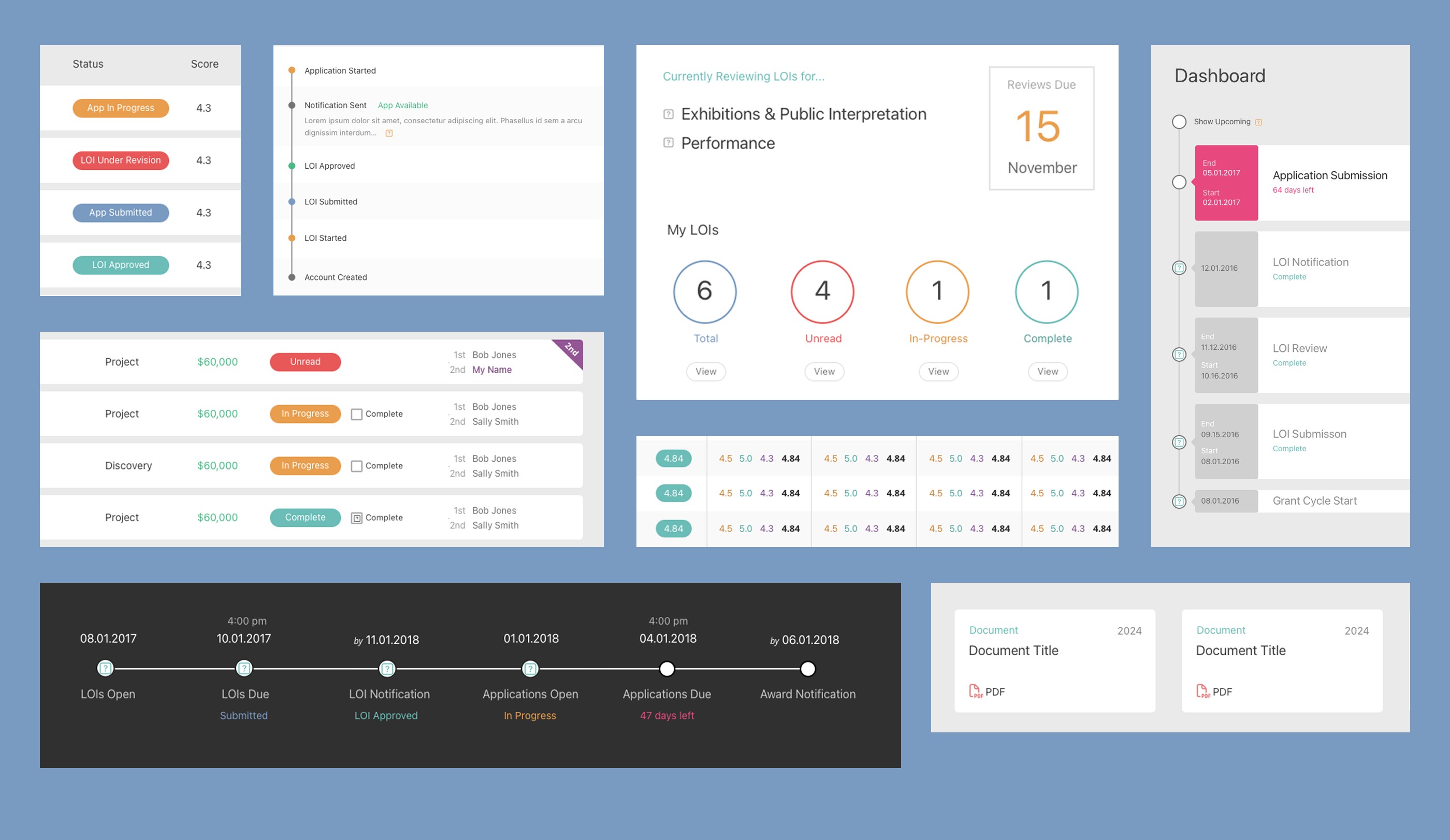
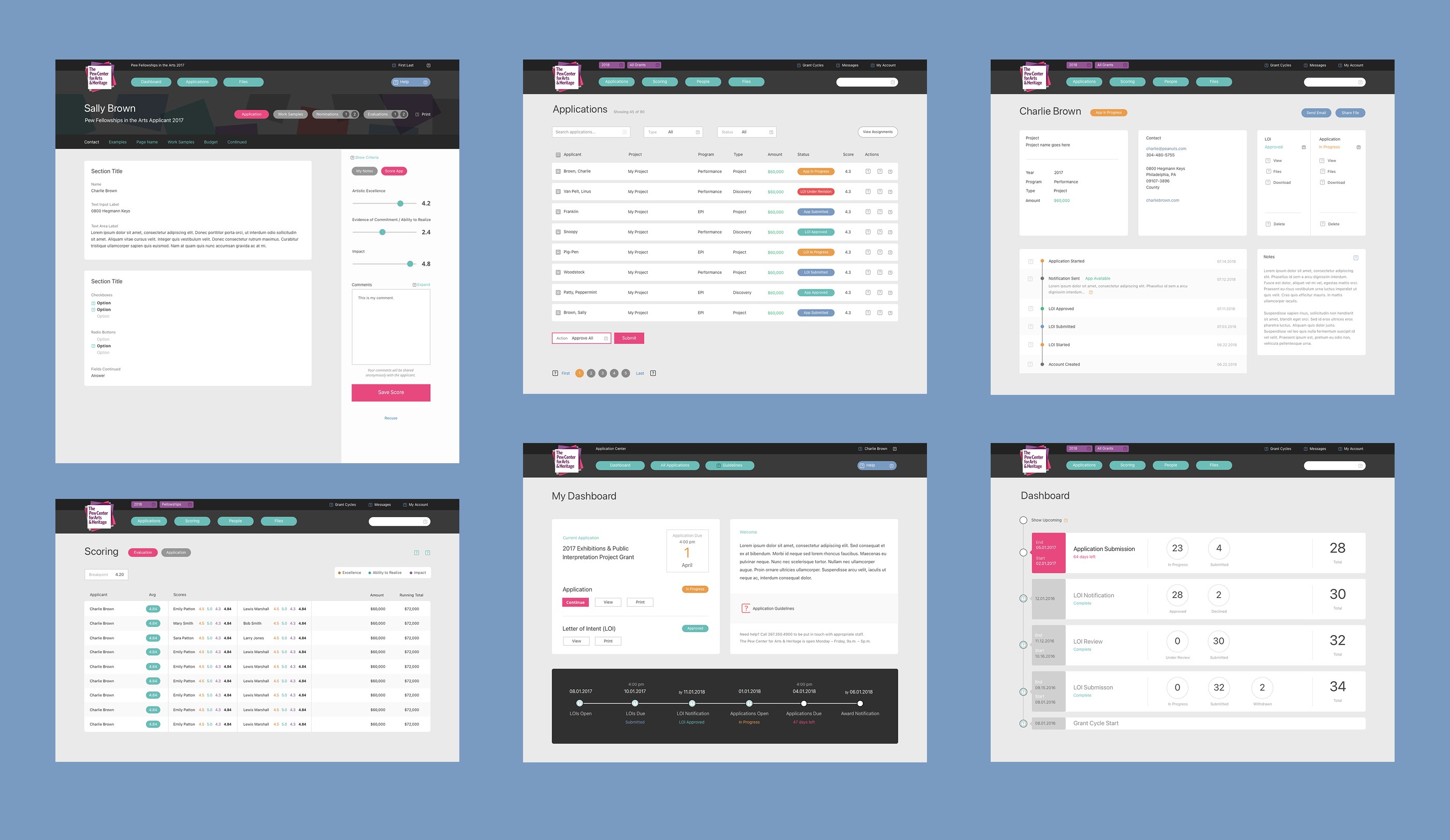
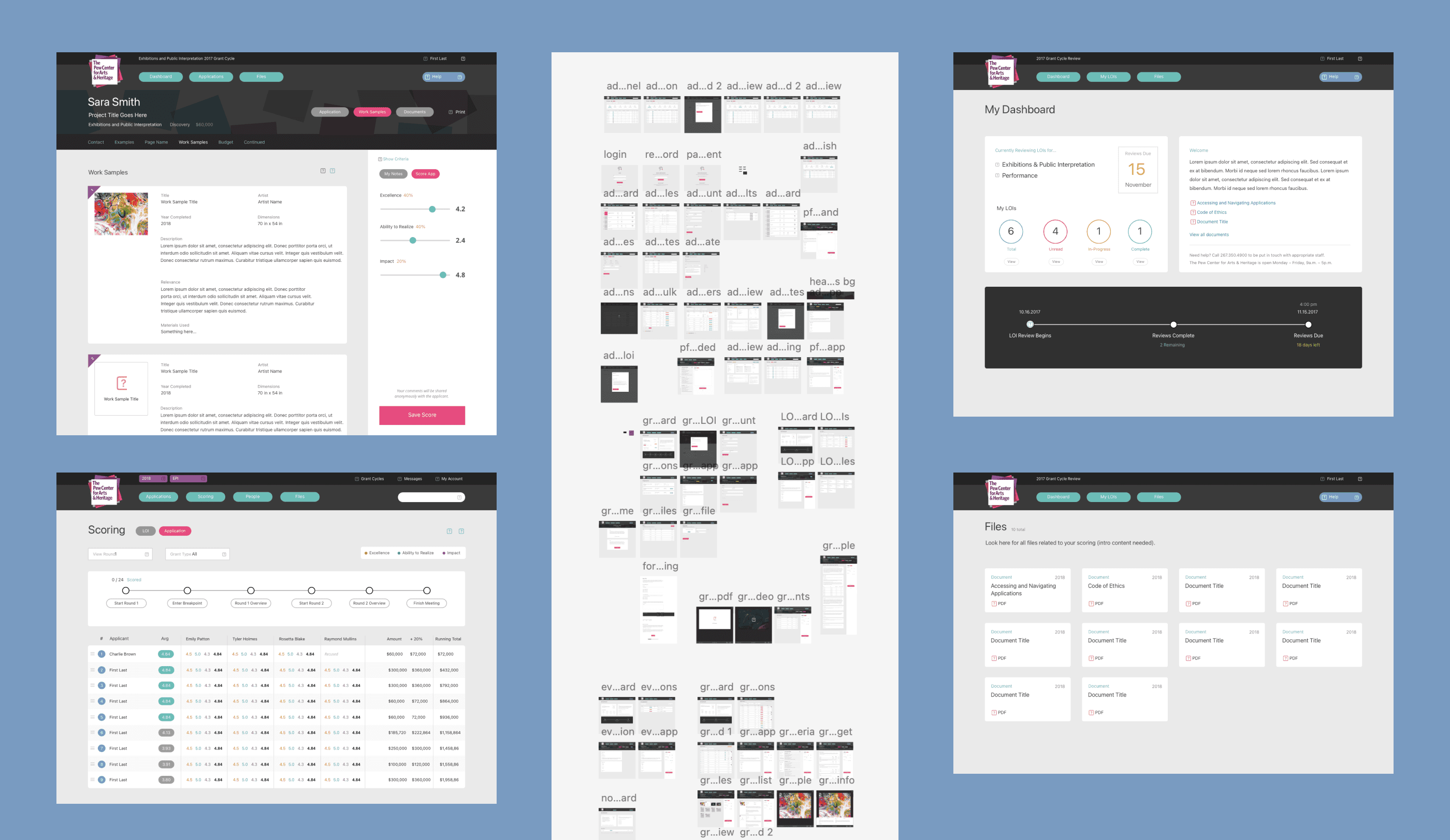
The platform required a large and diverse set of screens: applicant dashboards, multi-step applications, evaluator scoring views, live group judging interfaces, administrative tools, messaging systems, timelines, and asset management for creative submissions. We designed wireframes and interactive prototypes for each role, ensuring that users only saw what was relevant to them at any given moment. Visual design built on the Pew Center’s existing identity, prioritizing clarity, hierarchy, and ease of use over decoration. Tables, search, filters, and data-dense views were carefully designed to support review sessions and decision-making.
Results
A system ready for confident decision-making
The result is a flexible, scalable grantmaking platform that supports multiple review models, user roles, and access levels without sacrificing usability. Internal teams gained clearer workflows and better oversight, while applicants and panelists experienced a more user-friendly, focused process. By grounding every decision in research, flows, and real user needs, the system is positioned to evolve alongside the Pew Center’s programs, providing a durable foundation for future grant cycles and organizational growth.